Independent consumer information page

How to Compare Lifeline Phone Providers Before Applying

Lifeline remains active for eligible low-income consumers, but the Affordable Connectivity Program ended in June 2024. That difference matters because older pages, old ads, and saved social media posts can still make it look like ACP benefits are available when they are not.

Before you choose a company, compare the provider’s state availability, network coverage, monthly service rules, phone stock, document requirements, and activation steps. A careful comparison helps you avoid outdated ACP information, unrealistic iPhone promises, and applications that don’t match your state or eligibility situation.

Lifeline is active Eligible households may still qualify under current Lifeline rules.
ACP has ended ACP stopped after June 2024, so current offers should not rely on it.
No iPhone guarantee iPhone availability depends on stock, ZIP code, eligibility, and plan rules.
Illustration of a Lifeline provider comparison checklist with phone availability and coverage notes
Compare before you apply

Provider rules can change by state, plan, device stock, and verification result.

Why provider comparison matters

Two Lifeline providers can look similar on the surface, but the real experience may be different once you enter your ZIP code and start the application. Coverage, phone options, data limits, support quality, and shipping rules are not the same everywhere.

1

Coverage is local

A provider may operate in your state, but that does not always mean the network is strong at your home, workplace, school, or regular travel route. Rural addresses and apartment buildings can have different results than nearby areas.

2

Phone stock changes

Some providers advertise phone choices, but the exact model may depend on inventory at the time of approval. Refurbished phones, Android phones, and limited iPhone options may appear at different times.

3

Plan rules are not identical

Talk, text, data, hotspot use, renewal rules, and upgrade options can vary. A plan that works for light use may not be enough for someone who depends on mobile data every day.

Lifeline is active, ACP has ended

Lifeline is the ongoing federal program that helps eligible low-income consumers reduce the cost of phone service, internet service, or bundled service. It is not the same as ACP.

The Affordable Connectivity Program, often called ACP, ended in June 2024. That means users should be careful with old articles, outdated provider pages, and social posts that still talk about ACP discounts as if they are available today.

The safest approach is simple: treat Lifeline as the current program, then check the current rules and provider terms before you submit personal information.

Current program

Lifeline

Still active for eligible households. Users can qualify through income or participation in certain government assistance programs, subject to current Lifeline rules.

Ended program

ACP

Ended in June 2024. Any current provider comparison should avoid treating ACP as an active benefit or using ACP device language as if it still applies.

This page is written for consumer understanding only. It is not a government website, it does not process applications, and it does not decide eligibility. Provider terms, device availability, and approval requirements can change, so users should verify details before applying.

What to check before choosing a provider

A Lifeline provider comparison should be practical. Focus on the details that affect whether the service will work for your household after approval, not only the headline phone offer.

State availability: Confirm that the provider accepts Lifeline applications in your state and serves your ZIP code.
Network coverage: Check whether the network is reliable where you actually use your phone, not only in nearby cities.
Phone model availability: Review whether the provider lists Android phones, refurbished phones, or specific upgrade options.
iPhone stock: Do not assume an iPhone is available. Stock can depend on provider inventory, location, eligibility, and plan rules.
Data, talk, and text limits: Compare monthly data amounts, throttling rules, hotspot access, talk minutes, and texting rules.
Document requirements: Check what proof may be needed for identity, address, income, or program participation.
Shipping process: Look for clear information about shipping, delivery timing, device condition, and what happens after approval.
Activation support: Make sure the provider explains SIM activation, number transfer, replacement rules, and customer support options.
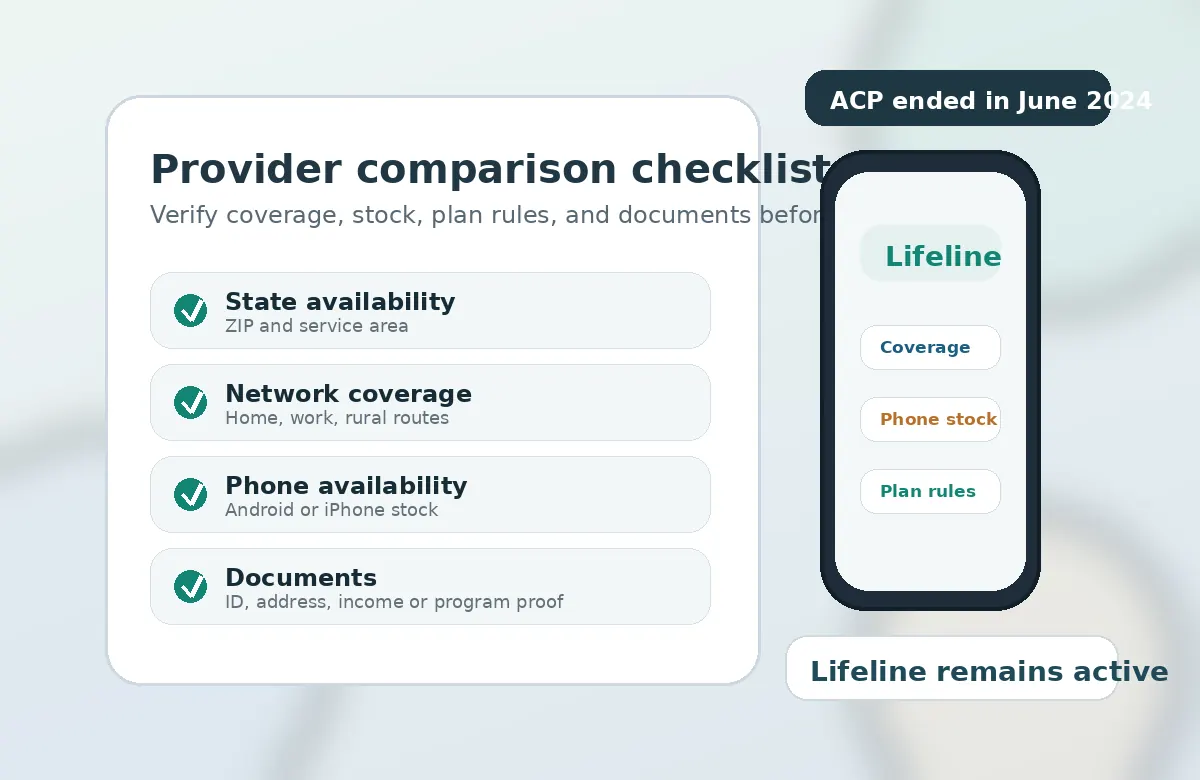
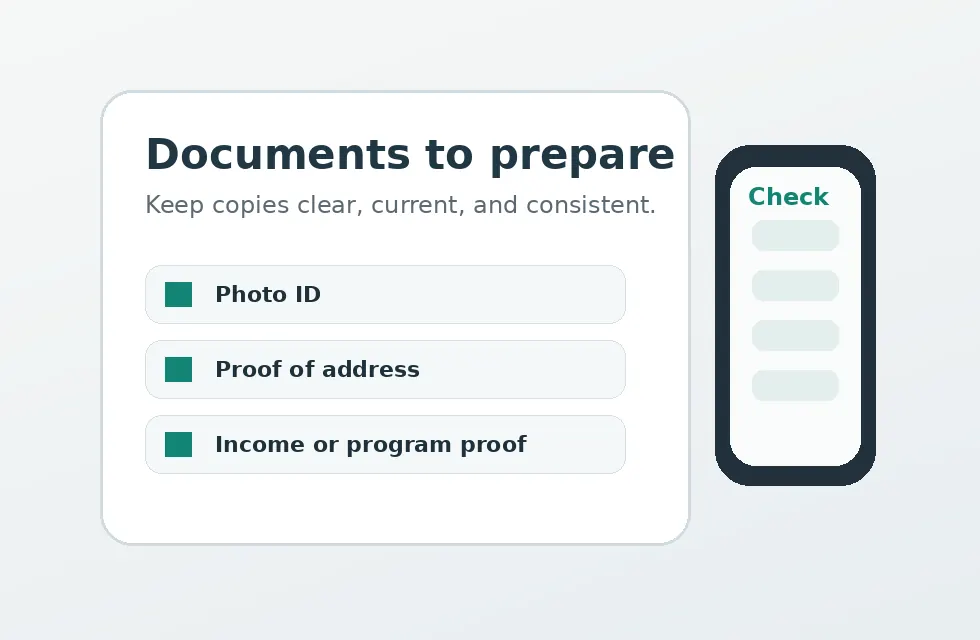
Illustration of documents needed for a Lifeline application, including ID, address proof, and program proof

Documents people usually need

Many applications are delayed because the uploaded documents do not clearly match the applicant’s name, address, or eligibility information. Preparing documents before applying can reduce mistakes.

  • Identity proof: A government-issued ID, driver’s license, passport, or another acceptable document that confirms who you are.
  • Proof of address: A lease, utility bill, official mail, or another document showing your current residential address.
  • Income proof: Pay stubs, benefit statements, tax documents, or other accepted proof if applying through income eligibility.
  • Program participation proof: A current document showing participation in a qualifying program, such as SNAP, Medicaid, SSI, FPHA, Veterans Pension, or another accepted program under current Lifeline rules.

Names, dates, and addresses should be readable. If the application system asks for another document, follow the instructions from the official Lifeline process or the selected provider.

How this page keeps the information responsible

Provider comparison pages can easily become misleading when they focus only on phone names or old ACP language. This page uses a more careful standard so the reader understands what can change before applying.

Current program separation

Lifeline and ACP are explained separately so an ended ACP benefit is not confused with the active Lifeline program.

No device guarantee

iPhone availability is treated as conditional because stock, location, eligibility, and provider rules can change.

Official references included

Readers are pointed to FCC and LifelineSupport.org resources for current consumer information and eligibility checks.

Warning signs to avoid

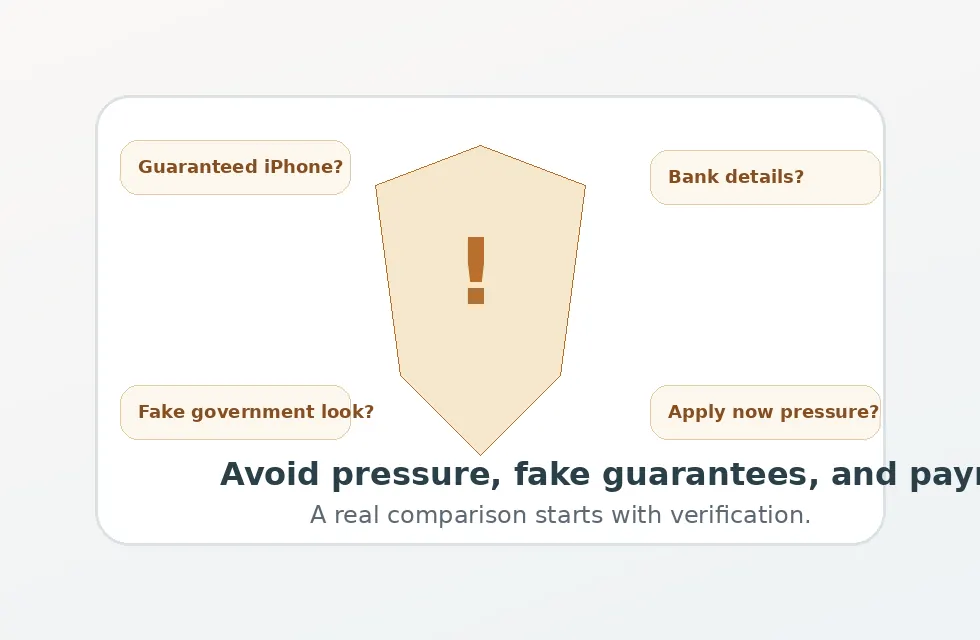
A real Lifeline application should not feel like a high-pressure sales trick. Be careful when a site uses fake urgency, promises a specific premium phone for everyone, or asks for payment details before explaining the service clearly.

Upfront payment requests Watch out for unclear fees, surprise deposits, or payment requests that are not explained in the provider’s official terms.
Guaranteed iPhone claims A provider may offer iPhones at times, but no comparison page should guarantee every applicant will receive one.
Bank or credit card details Be cautious if a site asks for sensitive financial details before giving clear program and provider information.
Fake government-looking websites Official-looking colors, badges, or names do not prove government affiliation. Check the URL and read the page carefully.
Pressure to apply immediately Fake countdowns and urgent language can push people into mistakes. Real eligibility checks should allow time to review documents.
ACP wording used as current If a page still talks as if ACP is active, verify everything before trusting its phone or discount claims.
Illustration warning users to avoid fake guarantees and pressure tactics before applying for Lifeline service

Final checklist before applying

Use this checklist before entering personal information or uploading documents. It helps separate real provider comparison from outdated ACP claims and unrealistic phone promises.

  1. Confirm that the provider serves your state and ZIP code.
  2. Check network coverage where you live, work, and travel most often.
  3. Read the current plan limits for data, talk, text, hotspot use, and renewals.
  4. Verify whether any iPhone offer is currently available, conditional, refurbished, discounted, or subject to stock.
  5. Make sure the page is not presenting ACP as active after June 2024.
  6. Prepare identity, address, income, or program participation documents before applying.
  7. Review shipping, activation, replacement, and customer support rules.
  8. Leave the page if it uses pressure tactics, fake government signals, or guaranteed premium phone claims.